

Water: The elixir of life
The water module could not have come at a better time. Bangalore’s heat wave was at its peak and we were feeling the effects at the Bhoomi campus.
We started the module with a rain folk song that goes:
Allah megh de
Allah megh de
Allah megh de, paani de
Chaya de re tu hi, Allah megh de
Aasman holio tuta tuta, jameen holio phata
Megh raja ghumiya roiche
Megh debo tor keda
Allah megh de
Allah megh de
The song invokes the cloud gods to burst onto the parched land and bring much needed relief. Unfortunately, thunder did not shatter our ears following the prayers and we moved onto the day’s next task.
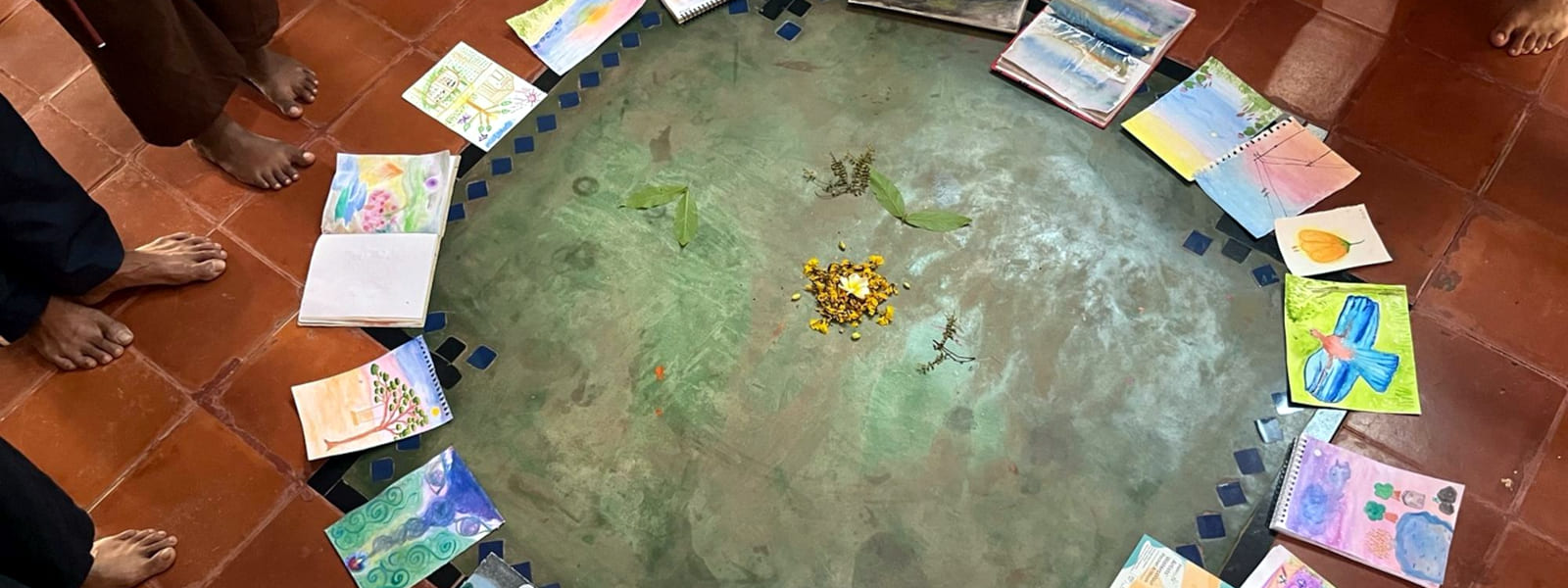
We explored watercolors to embody the flow of water, it’s ease of movement and playful nature. Every fellow brought whimsy and magic on the canvas.
See the photo to believe it.
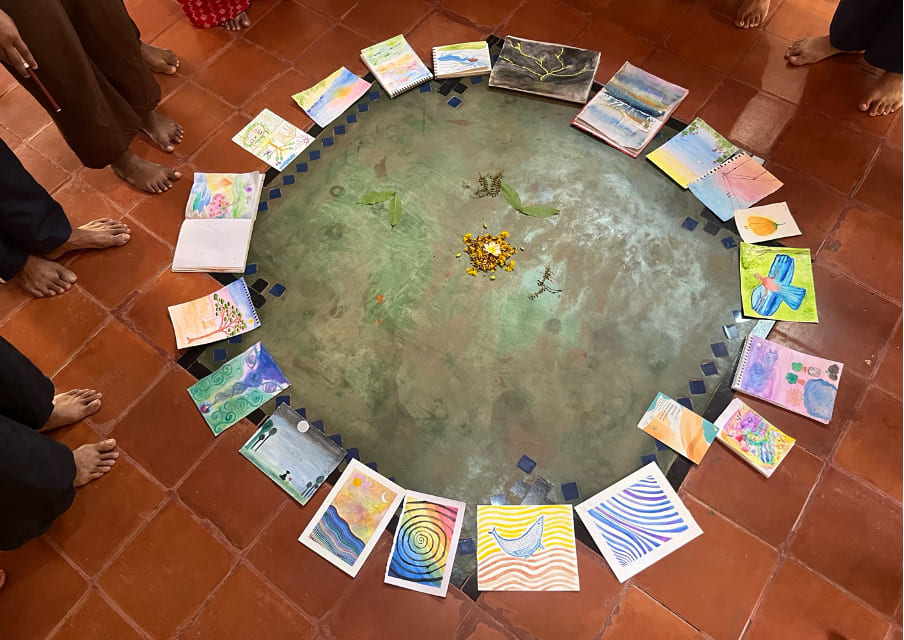
Figure 1. Watercolor exploration by Bhoomi fellows
As the day moved on and I kept peeking at the clouds, watching and waiting to see if they would shed some tears, the module went onto water intentionality. The intentionality of water in different states of being.
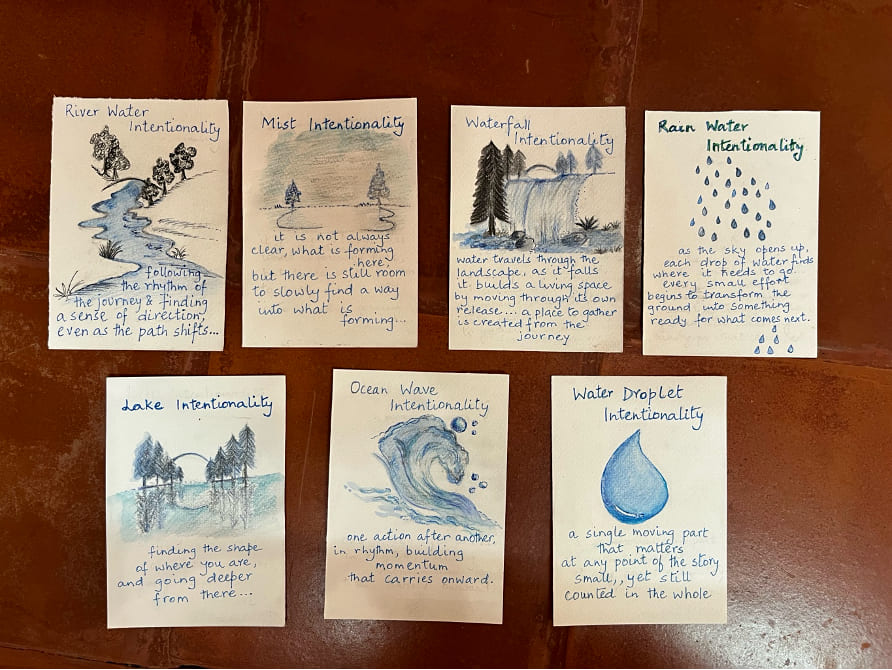
Figure 2. Water intentionality cards
These beautifully hand painted cards were passed around and we discussed how each intentionality made us feel. I wanted to be like the meandering river that plunges into a waterfall; be deep like a lake, rhythmic as a wave and start again as a rain drop. Each intentionality carries a wisdom that can be applied in real life based on the circumstances.
The afternoon of day 1 was spent looking at different case studies like decreasing ground water levels, Mumbai floods and the effects of Indira Gandhi canal in Jodhpur. We used systems thinking to look at the various aspects of each case study, along with the interconnections and feedback loops. The introduction of the canal that carries water from Punjab to Jodhpur meant decreased scarcity of water and recharged ground water table. Although it had positive impacts on the economy, it had some unintended consequences. These were the loss of traditional water bodies like talabs and jhalaras. Architecture that was designed for the arid region was changing, with stones being replaced by cement, loss of big courtyards, jaali walls and open chowks. These changes also led to loss of communal spaces and cultural identity. So was the canal really a good thing?
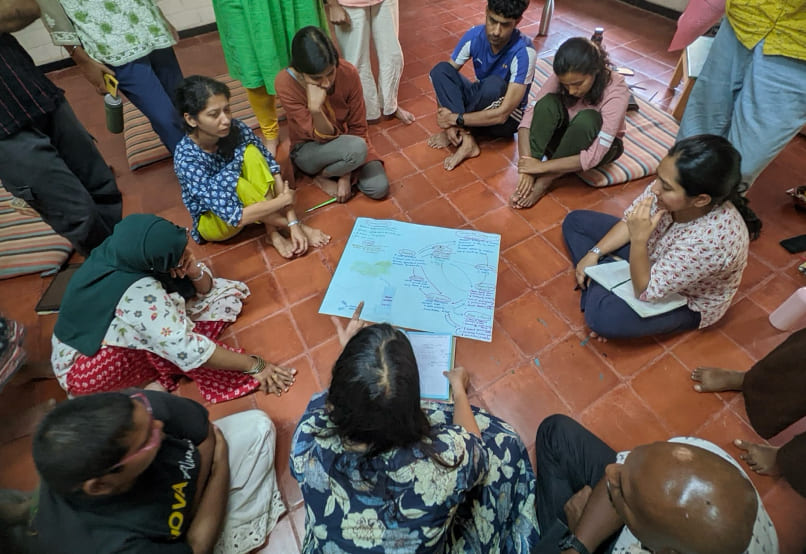
Figure 3. Group presentations and discussions using systems thinking
The next day, the lovely folks at Biome Environmental Trust brought some simple, fun games that the fellows can take to the children, to bring awareness about water consumption, storage and wastage.
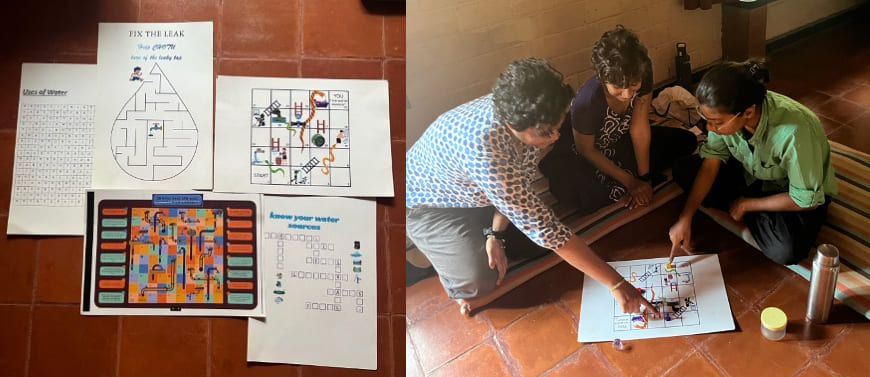
Figure 4. Games that children can play to understand water consumption, storage and wastage
Biome Environmental Trust (Biome) is an initiative to facilitate and foster ecological architecture, rainwater harvesting and other environmentally and socially responsible practices. They walked us through how they installed rain water harvesting systems in several government schools, collaborating with children, giving them responsibilities thus ensuring a connection with water as a resource. It even inspired one of the student’s to convince his parents to install a rain water harvesting system at home.
The third day of the module was spent doing a survey of three lakes near the Bhoomi campus. We looked at the physical features of the lake, the biodiversity, human interaction and dependency on the lake. Walking around the lake was disheartening as it was surrounded by garbage. The surface was choked with invasive species like water cabbage and water hyacinth. There was minimal human interaction with the lake on account of it being dirty.
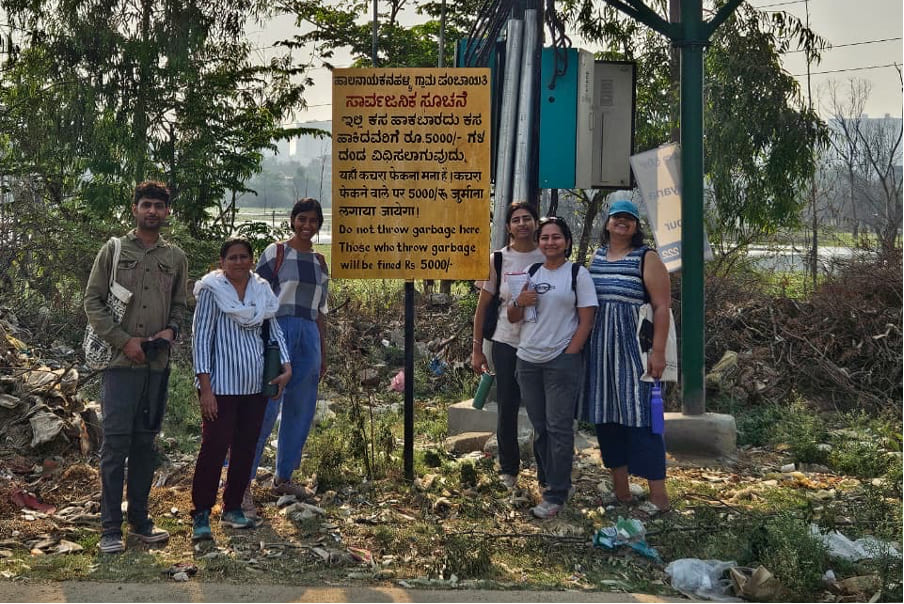
Figure 5. A picture at the lake with my team, standing next to a board that depicts the fine for littering
We deep dived into the history of the lake and what had led to its decline. The usual suspects: encroachment, illegal dumping and neglect were the causative agents. Experiential learning had a stronger impact on me; surveying the lake first hand instead of just sitting In the classroom helped me grasp the complexities of the problem and identify the multifactorial causation. Each team made presentations about the lakes they were assigned. We also saw examples of how a lake can be transformed with the combined efforts of citizens which was inspiring and helped uplift the doom and gloom we were feeling after our presentation.
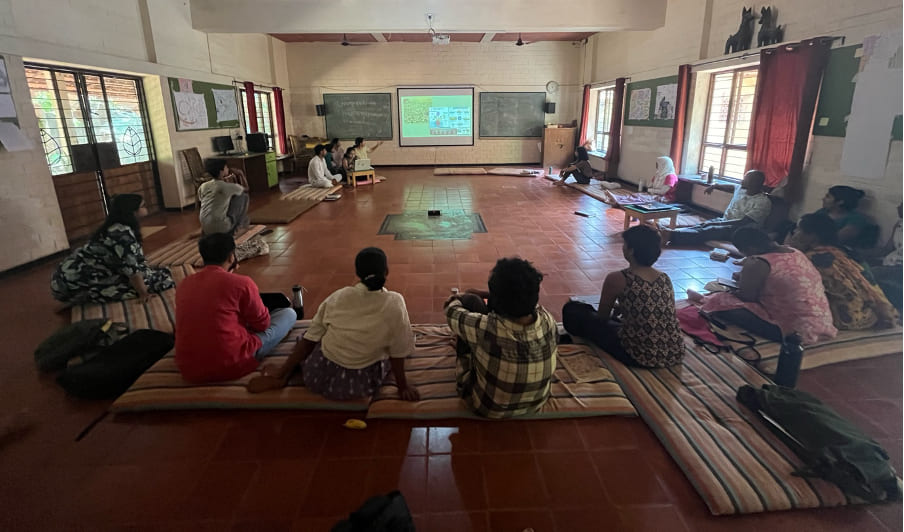
Figure 6. Presentations of lake survey
We ended the day with a serendipitous shower from the rain gods. The clouds had heard our prayers. We ran outside and danced in the downpour. I could not have asked for a better conclusion to the water module.
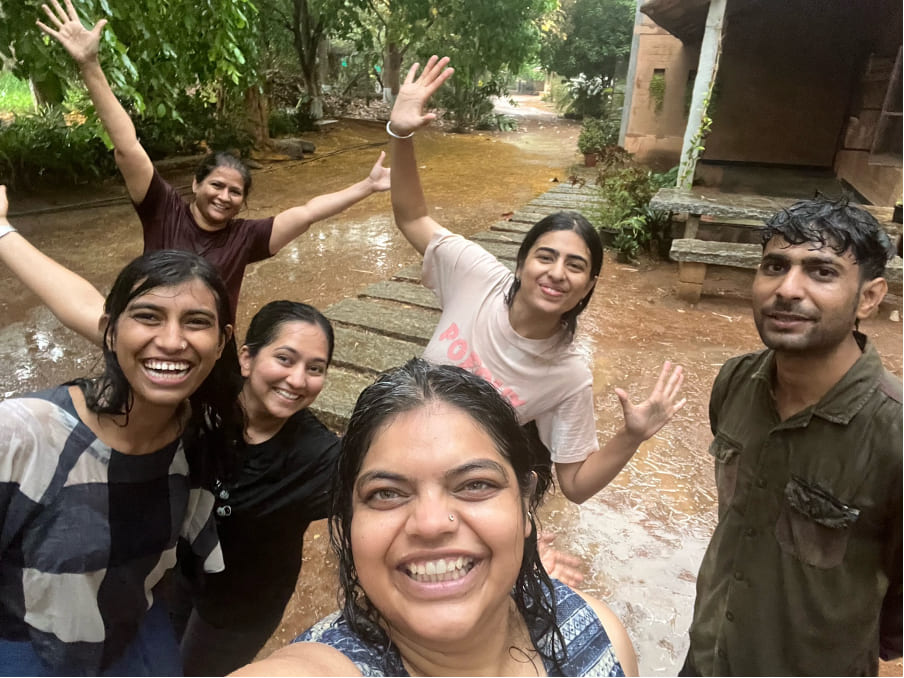
Figure 7. Enjoying the first rains
I leave you with this haiku gentle reader, as a reminder that water is life:
Giving life to all
Time to act before its gone
Elixir, water.
-----
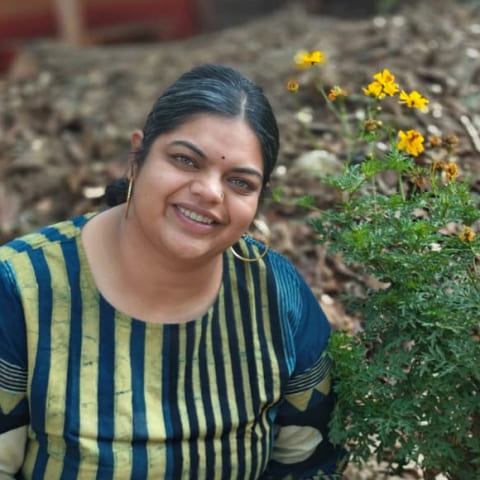 Shared by Priyanka Garg, Teach for Nature Fellow, 2026 Batch, Bengaluru, Karnataka