
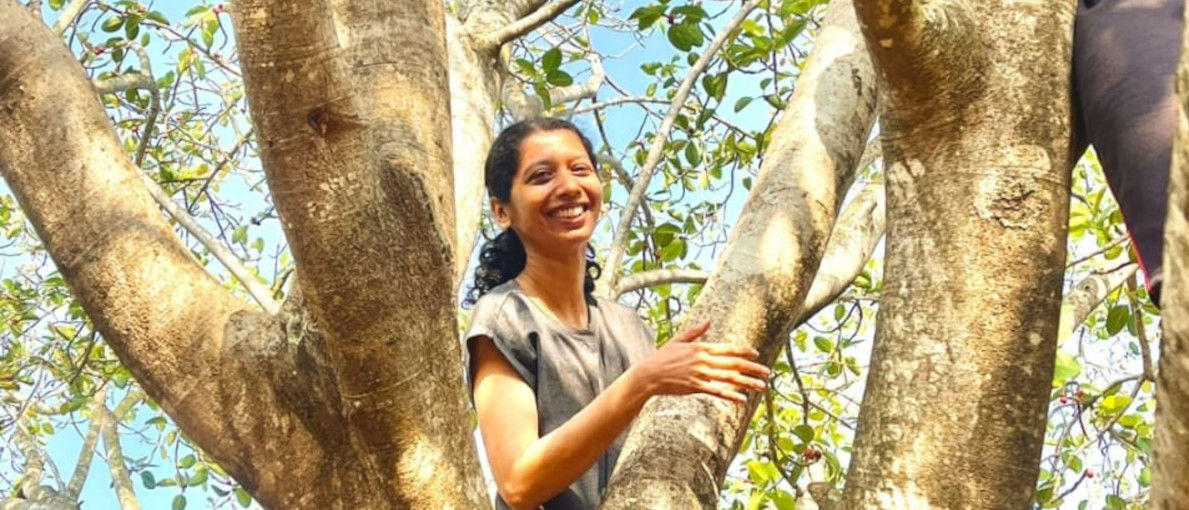

Embracing the Slow Life
Coming from the city of Mumbai, while ‘running through life’ may not be genetically coded into my DNA, I was nurtured by the city to embrace the fastest pace possible. Whether it was walking on the street, catching a local train or speaking in a meeting, pausing was never an option. And there was a thrill to it, much like an addiction. But it sure was exhausting too.
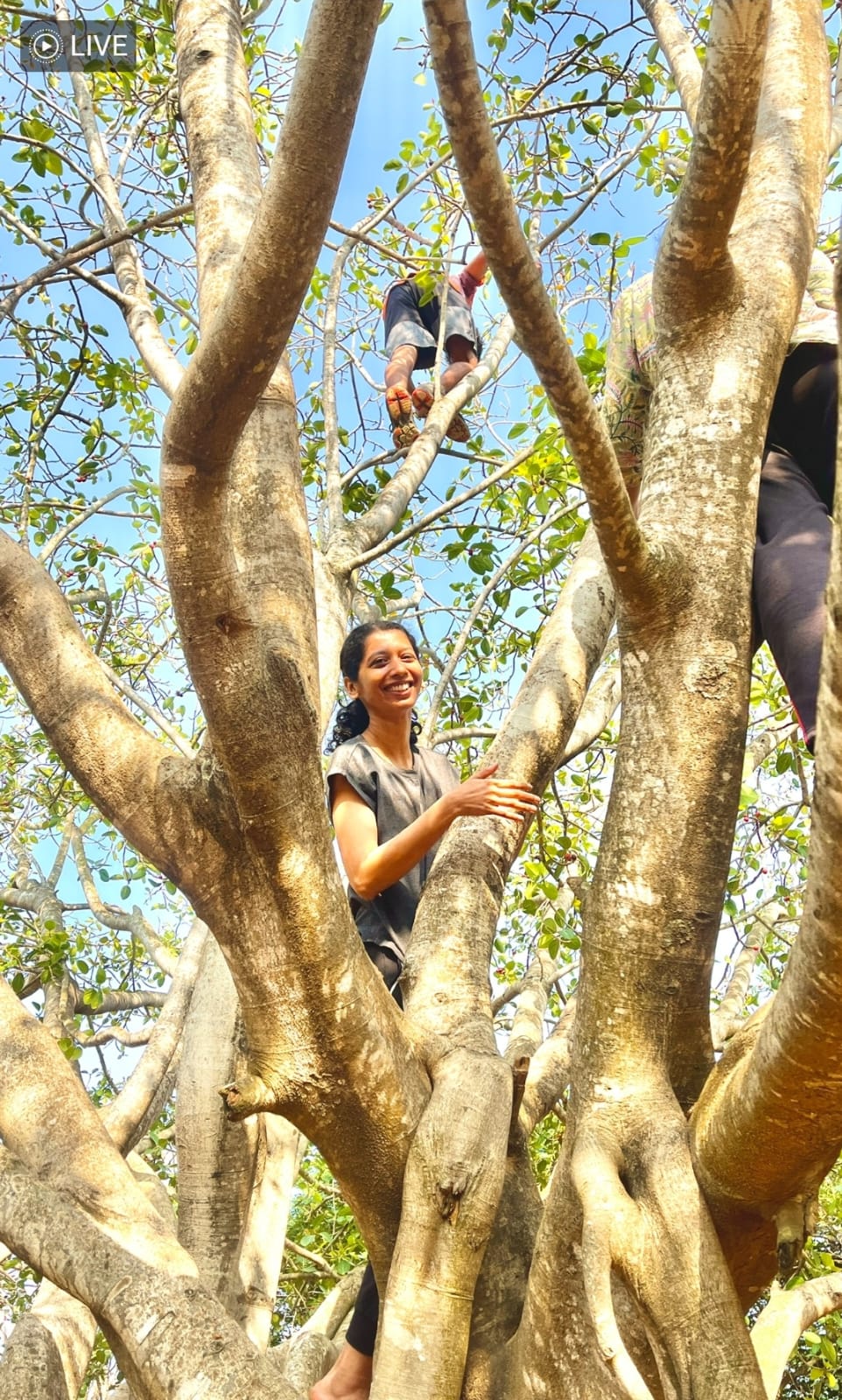
Two years back, I made the decision to choose the red pill. To break out of the unsustainable fast-paced culture that I was trained to be a cog in, I quit my corporate job. Instead, I volunteered with a bunch of organizations that dedicated themselves to understanding the systematic challenges responsible for creating a greying planet and working towards realistic solutions for the same.
Interestingly, a significant part of my journey of breaking free also involved ‘looking inward’. With the intention of cultivating mindfulness – of body, thoughts and emotions, I wanted to embrace ‘slow living’.
In essence, Slow Living is about leading life with purpose and peace. Reducing the pace of modern life, along with lowered consumption of stuff. Made possible through a more thoughtful and deliberate approach to daily life. It represented a readiness to unlearn and start afresh – exactly what I was looking to do.
But the irony was that I ended up ‘chasing’ the slow life too. Armed with a daily routine and habit trackers, gratitude journals and self-help books, TED talks and endless meditation techniques, I spent quite a while being perplexed about the fact that my seemingly slowed down life still felt full.
“We’re a species that rushes through everything, then complains that time flies” - Steve Maraboli
Well, I was truly a representation of that species.
Two weeks back, I began training as a TFN fellow at Bhoomi College’s green campus, bursting with life in every way possible – not just flora and fauna but in terms of the people too. Twenty fellows from across India, each with their unique stories and journeys, filled with big hopes and dreams (and anxieties!) of creating a greener planet.
Here, our mornings begin with a meditative nature observation. Where we spent an hour or more admiring everything from patterns of lichens on trees to spiders eating up their own webs to stink bugs hatching from their eggs. On the other hand, the classroom sessions helped further open the mind by examining ideas of decolonization, interconnectedness, systems thinking etc.
Two weeks that helped me think of ‘Slow Living’ in many new ways.
The Stimulus Sets The Pace
“Slow down, you’re doing fine, you can’t be everything you want to be before your time” - Billy Joel
Soon after our arrival at Bhoomi, we received a garden patch, where we soon sowed Dhaniya, Raddish, Palak, Moringa, Papaya and a lot more. Of course, the sprouting took a lot longer than the sowing did. A few days later, the first shoots of hope emerged from the soil. A day later, they looked exactly the same. One more day later, maybe they had grown by 2mm. A week later, still on two leaf stage. Every evening I’d talk to them coaxing them to pick up the pace – the message was lost on them.
Today, after more than two weeks, the patch had a surprise in store for me. The dhaniya plants decided to embark on their third leaf stage – never before has seeing the serrated edge of a dhaniya patta given me so much joy! (if you haven’t seen dhaniya grow, the first two leaves are straight and long and don’t look anything like dhaniya).
All of my sources of entertainment in the city, ranging from Netflix shows to attending music gigs and catch ups at restaurants came with a time frame. But nature operates on her own timeline, and I had no option but to patiently wait.
This shift in the stimulus, from screens and social media to garden patches and books played a key role in slowing down everything for me, from my pace of breathing to the intensity of unnecessary thoughts popping up in my mind.
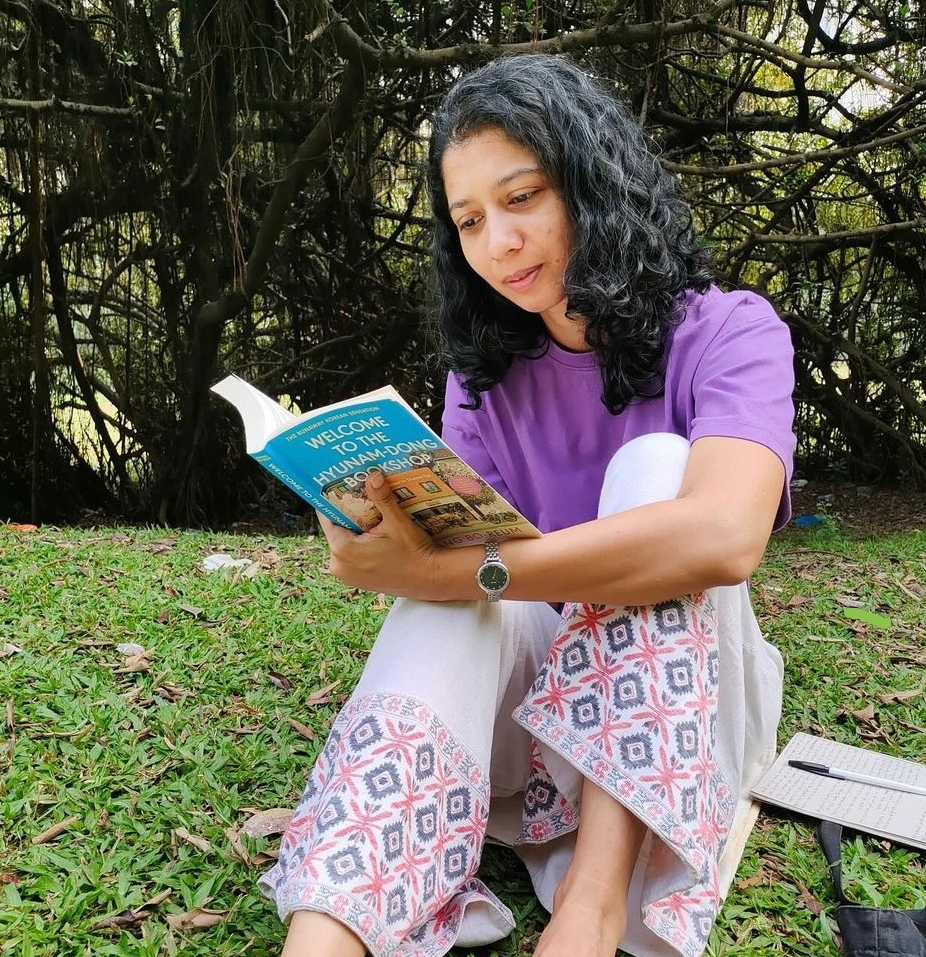
From the Big to the Small
When I think of all the times nature filled me with awe, I think of the snow-capped Himalayas, the surging waves of the ocean during monsoons, sprawling canyons filled with lush green, shimmering ice caves towering above me. Grand vistas that made me feel small. Made me ask existential questions about humans and earth and our place in the cosmos.
But during the morning walks at Bhoomi, I found myself looking for the smallest things my eyes could spot. Peering through a magnifying lens at holes made by beetles in a tree bark or the artistry on a flower petal.
Interestingly, the kind of questions that these observations evoked were very different. They didn’t come from a place of insignificance, but curiosity. Questions that had such interesting answers that it motivated you to observe more and come up with a new set of questions.
‘Going small’ every morning was the perfect shot of mindfulness every morning.
Freeing the mind of Time
The next stage of nature observation took the difficulty level up a few more notches.
“Have you ever looked at a tree without a single word of like or dislike, without a single image? What then takes place? For the first time, you see the tree as it is and you see the beauty of it, the colour, depth and vitality of it” – J. Krishnamurti
Choiceless Awareness according to Krishnamurthi was the ability to disassociate an object of observation from all preconceived notions. Letting go of any memories, judgements or associations that the mind is likely to reach out for, in order to see it for what it is and nothing more.
One day, while observing the patterns of the spikes on a jackfruit fruit, its colour gradations and feel of the spikes on my palm, I completely lost track of time. By now I was living the slow life like I’d never imagined before.
Cultivating Self-Awareness
Being a critical overthinker, my mind was used to juggling 100 thoughts per minute.
But the mindfulness during the outdoors sessions seemed to have helped master ‘catching my cognitions and emotions’ through the rest of the day too. Like recognizing when a few lines in a poem during a session triggered childhood memories and suddenly had me sulking. Or when an article on climate change left me with a deep sense of hopelessness.
There was a sense of empowerment that I felt in this newfound level of awareness of my own thoughts and feelings. Strangely, I also felt a heightened sense of awareness of those around me, tuning into their emotions and watching myself get swept away with their highs and lows.
Going Back to the Basics
“In order to seek one’s own direction, one must simplify the mechanics of ordinary, everyday life.” - Plato
Bhoomi distances you from city life in more than just a tangible manner.
All our consumption choices at Bhoomi are driven by the aim to be a zero waste, chemical-free campus. Which means no body wash bottles, no packaged snacks, no hot water bath (unless you are willing to light up firewood for the boiler). A solar powered hostel means no powering up anything other than lights, fans and mobile phones post sundown.
Cutting things out of your life and letting go also allows you to recognize your privilege. For me that was a constant reminder of having everything and more, filling me with a deep sense of gratitude.
Sometimes, it is hard to believe that it’s been only two weeks since my arrival at Bhoomi. If so much has unfolded in this short duration, I can’t wait to see what three months have in store for me.
-----
 Shared by Namrata Sukumar, Teach for Nature Fellow, Mumbai, Maharashtra