
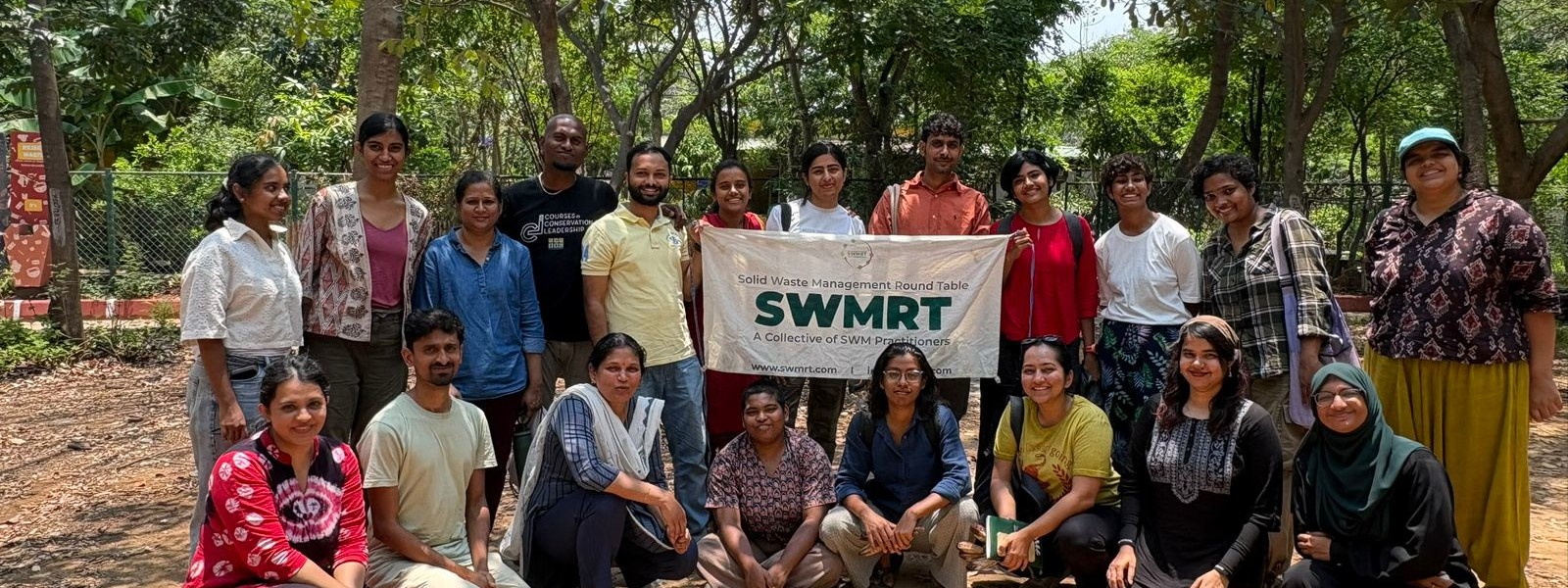

Beyond the Bin
I was asked to write a post for the blog about the waste management module and our field trip to Swachagraha Kalika Kendra (SGKK) at HSR Layout.
“Observer mode on,
documentation cap on.”
This was me, en route to the SGKK to learn about waste.
I have practiced the art of writing objectively, separating myself entirely from the subject. Shutting down emotion, focusing only on what is happening, what can be recorded, what can be written down as fact.
The first crack in that distance came with a sense of amusement.
“A park to learn about waste?”
A community park with infrastructure built from waste, live composting units, and even a museum of compost bins.
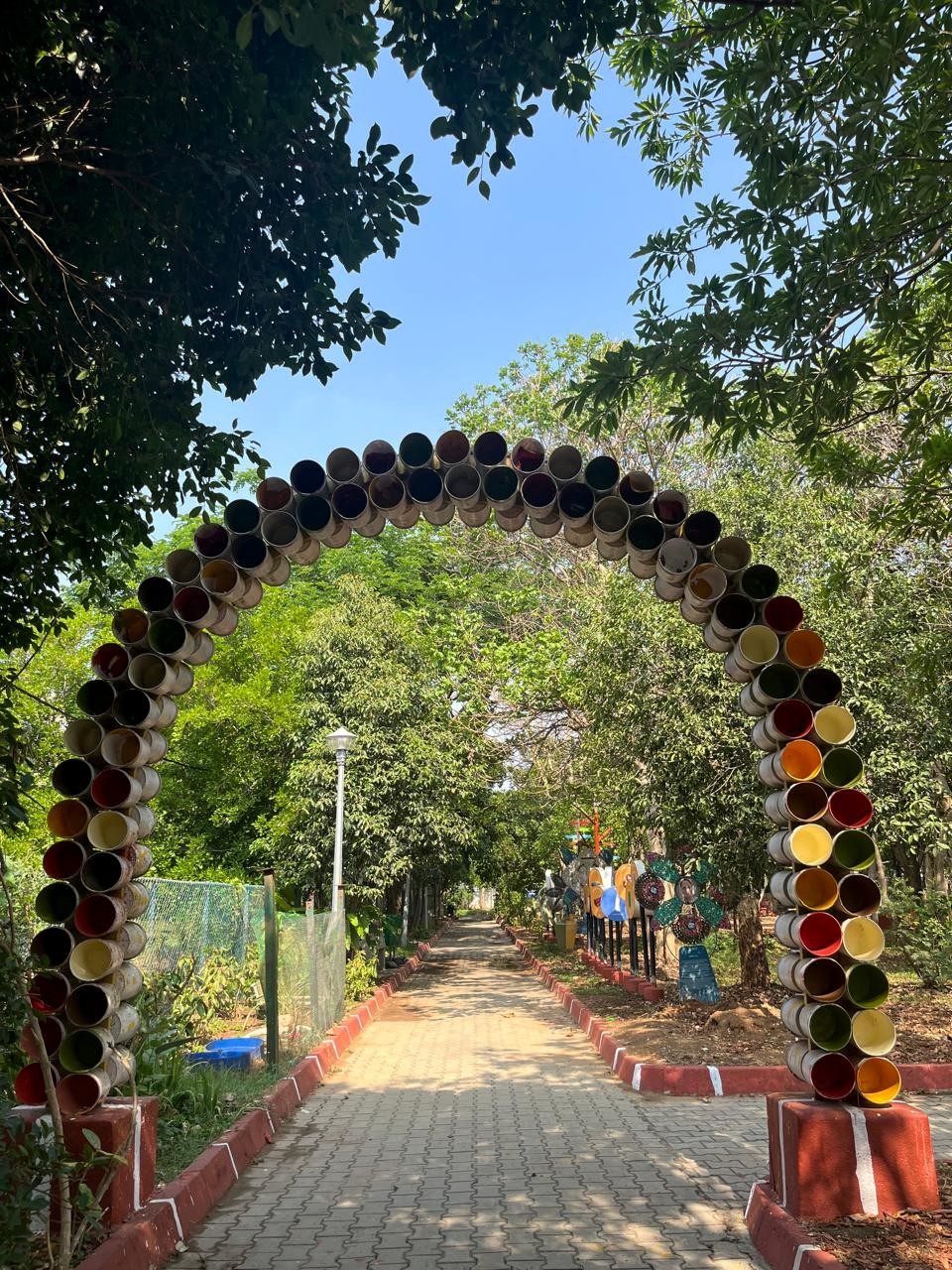
I let the amusement settle, and turned back to my role. Listening carefully to our guide for the day, Ms. Supriya, I began jotting down notes. I stayed out of the picture as an observer, attentive and precise.
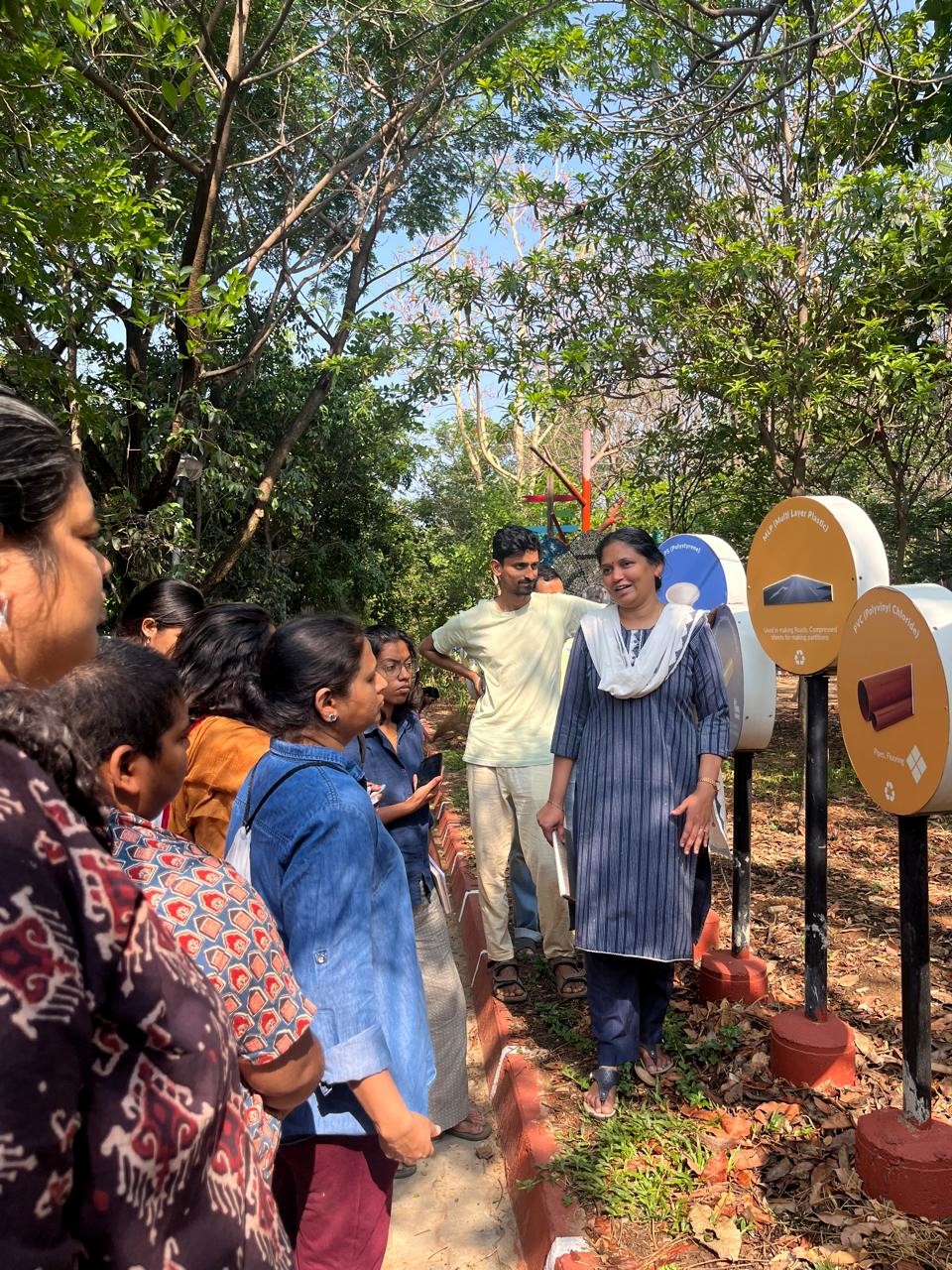
Until I heard: “Your Lays packets…”
I paused.
Yes, I use them. What about them, though? We had been talking about recycling. I found myself wondering how these are even recycled?
That’s when it landed.
They aren’t. It’s multi-layered plastic. Tough to recycle. Almost impossible, in most cases.
And suddenly, it wasn’t just information anymore.
Amidst the unsettling emotions, I tried to stay concentrated. Far and focused.
A crack in the “focus wall” happened when Mrs. Aarthi, who joined us later, asked us a question that felt simple at first.
Have you ever thought about the fate of the biodegradable lining bags we use to tie our waste?
I hadn’t
Is there even a need to tie waste in a bag, if a bin would do? Aren’t we, in that act, creating mixed waste instead? And when something is labelled biodegradable, where does it actually go? How long does it take to break down? Does it break down at all? If not, do we really have systems in place to handle biodegradable waste the way we assume we do?
These questions kept whirling in my head. They pushed me to think about waste disposal at my home, at my sibling’s home and somewhere in between, there was an urge to commit. To stop using them and to make the people around me aware.
We later saw community composting units, explored different composting alternatives, and listened to why composting matters. We were also shown what felt like the most wholesome assemblage of a zero-waste household.
A lot of things made my “thought-feeling axis” active, but not yet reaching congruence, because “action” was still missing.
That gap closed, at least for a moment, when we began composting ourselves, starting with the banana peels we had just discarded. It felt small, almost symbolic, but also grounding. I was no longer just observing.
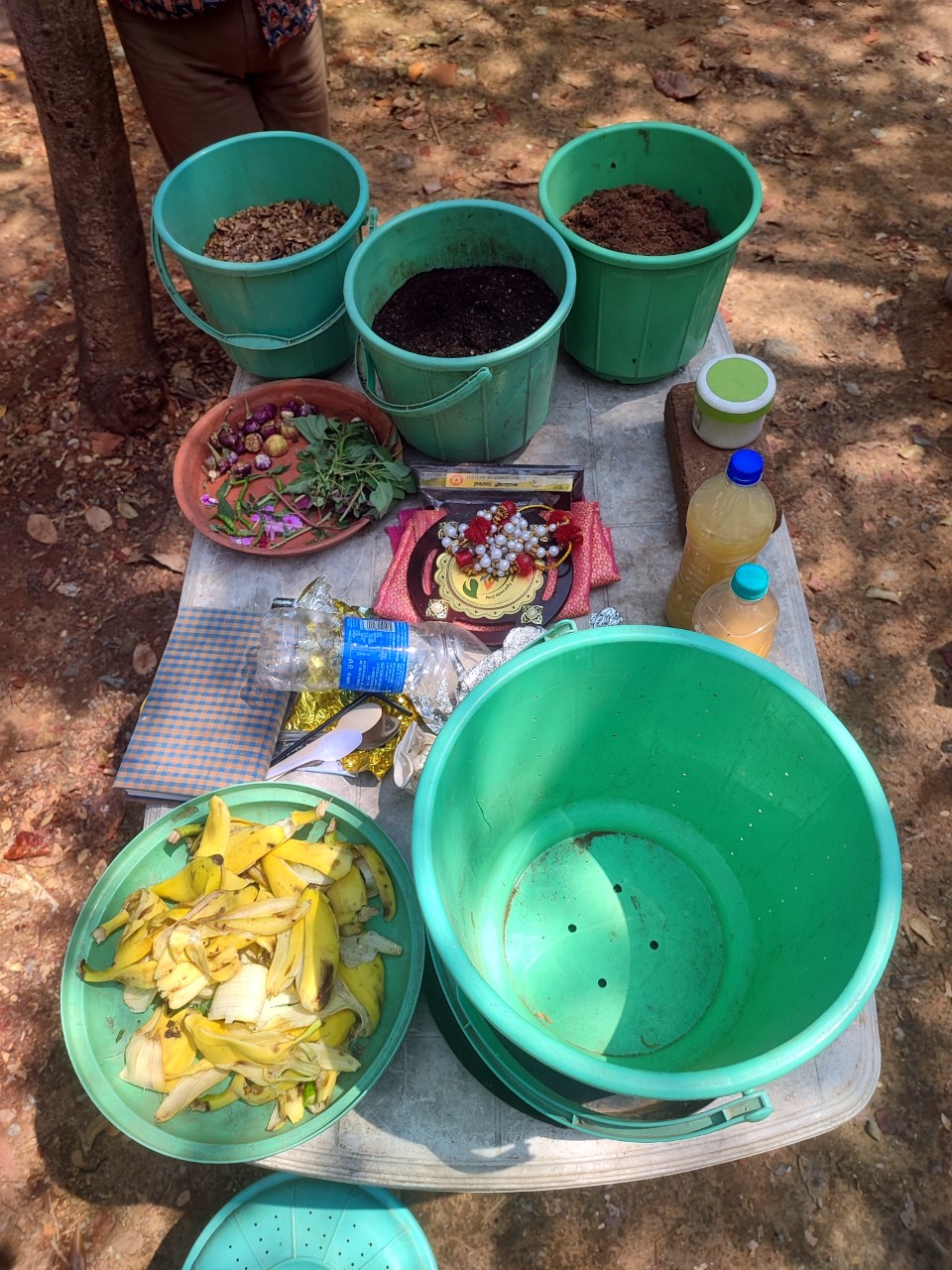
I also learnt about bioenzymes, and what stayed with me was not just the process, but the excitement of my peer wanting to take this back home, to try it with their parents. Somewhere in that shared energy, “prepare bioenzyme at home” quietly made its way onto my to-do list.
All learning jotted down and my reporter hat slowly wearing out, that’s when we were invited to visit a nearby place.
A Dry Waste Management Centre, where akkas were manually segregating heaps of waste. Beside them stood towering stacks of compressed waste, almost as tall as the building itself.
And in those piles lay something painfully familiar.
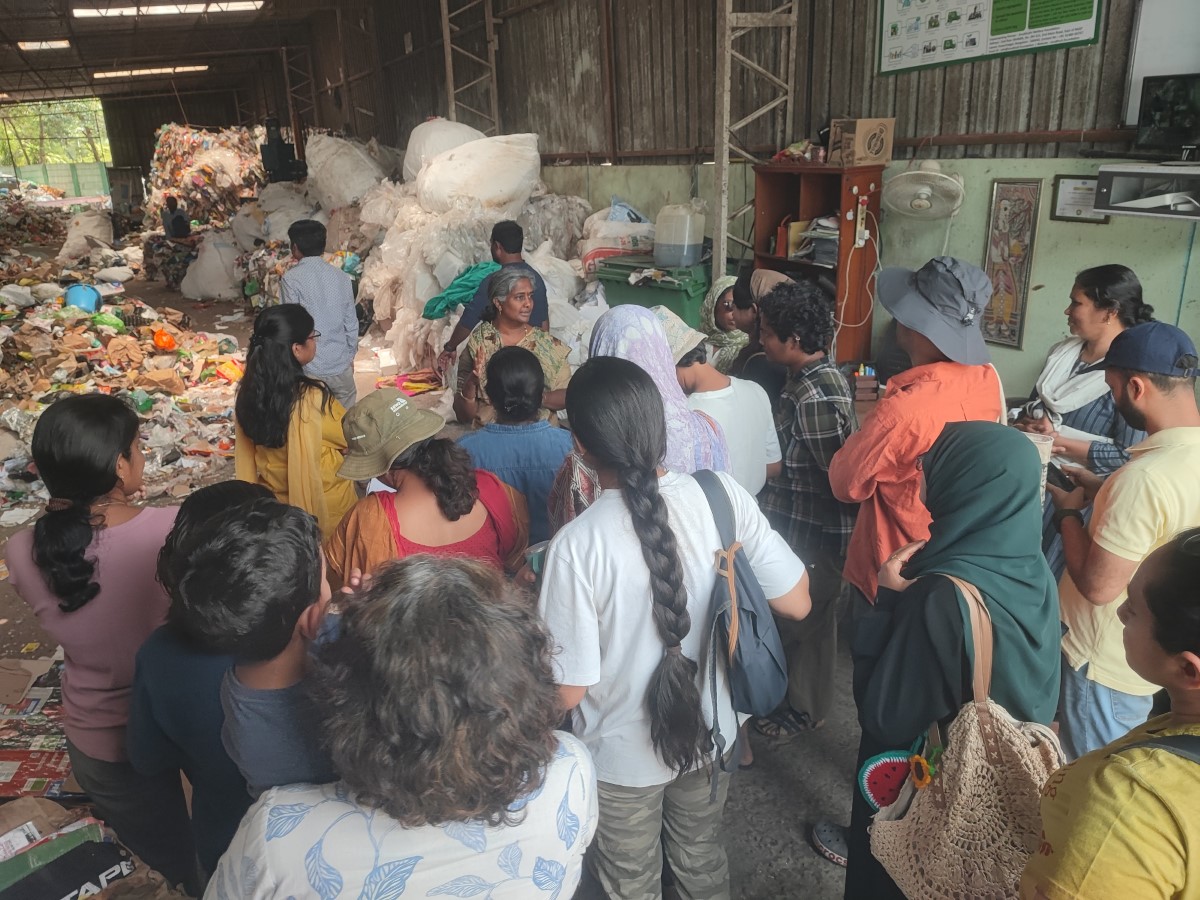
Mixed waste or, more simply, unwashed plastic containers from our everyday food deliveries.
Containers from places like Zomato and Swiggy, things most of us use without a second thought.
The guilt felt immediate. Almost physical.
Because the consequence of that small act of not washing and segregating was sitting right there. In someone else’s hands.
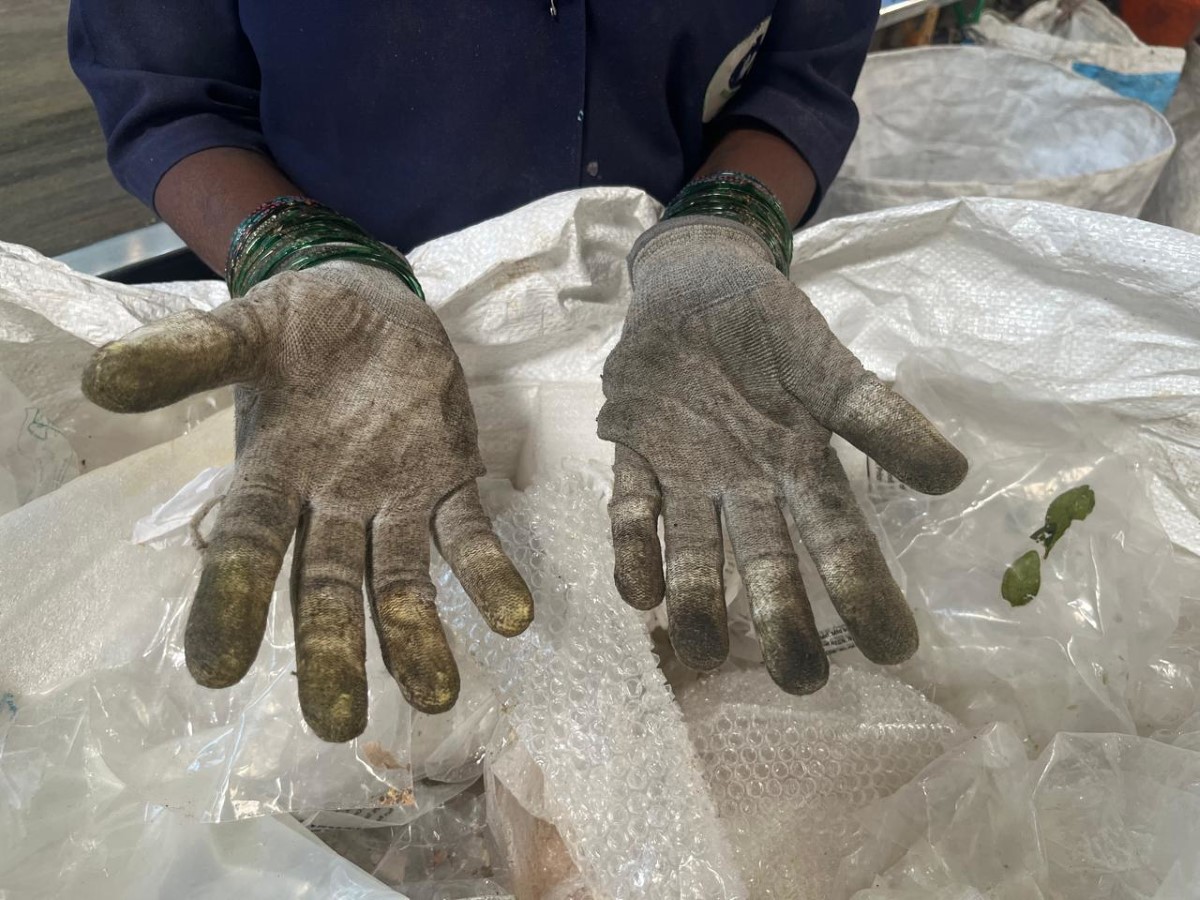
That’s when my second commitment took shape:
to not throw plastic containers without washing them,
and to make others around me aware of it too.
No longer was I an observer, but an active part of the system.
-----
 Shared by Fathima Aslaha, Teach for Nature Fellow, 2026 Batch, Thrissur, Kerala