
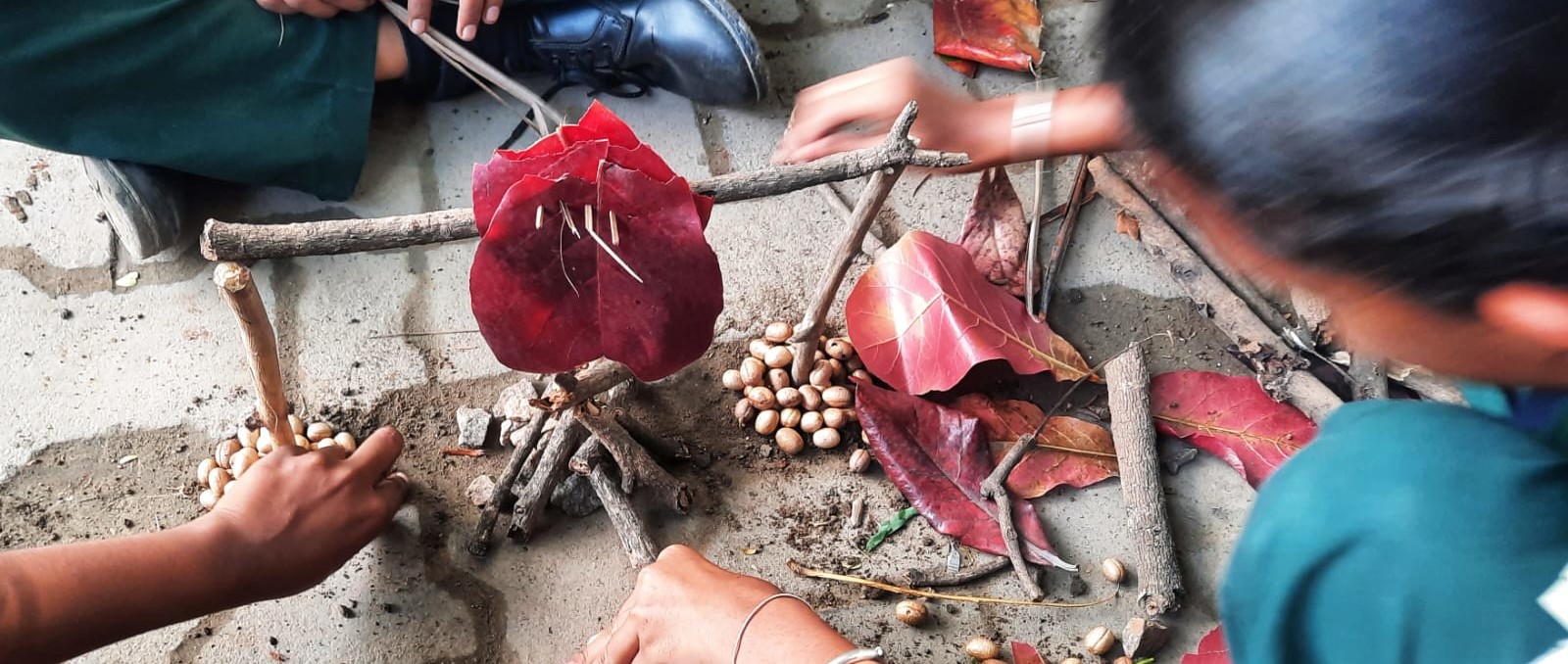

Art in its Whole Form
For the longest time, I’ve felt that art is just about everywhere and not only in the things we create. I even see human beings as a form of art. Well, that’s just me! In my thoughts and conversations with others, I’ve noticed that we have a lens that differentiates between art and nature. It doesn’t sink in for me that there’s much of a difference between the two. To understand this concept better, I did some digging of my own and found the following:
“Art and nature are two magnificent forces that often intertwine and inspire one another. While nature is the ultimate creator, art is the human interpretation and representation of the natural world. Both possess an innate ability to evoke emotions and stimulate the senses. Nature's beauty lies in its raw and unfiltered form, while art captures and transforms that beauty into something tangible and accessible…
The article goes on to explain the differences between art and nature and many other things.
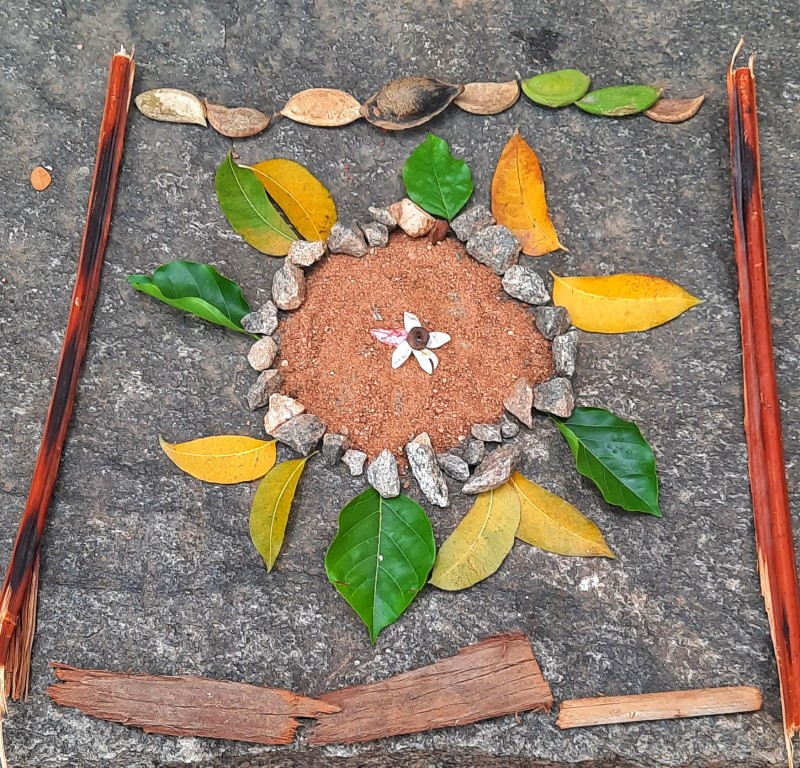
Even with definitions, dictionaries and literature there seems to be many specific differences between the two words and worlds. I still find it as word play at the end of the day as I see no real difference between the two. Walking in the forests for years, camping, trekking and reading has changed a lot in me and how I view things. But the notion that art and nature are independent yet interconnected elements, this I gained a personal experience and insight to this four years ago, in Bhoomi College, during my fellowship in Holistic Education where we were asked to create something for what's available around us - garden, ground etc. I still recall the art installations made by my co-fellows and the stories they’d weaved along with the art installations made collecting the resources that nature provided us in abundance. And I still remember how I felt during that entire experience. Sometime later, I instinctively started watching this series of leaf arrangements made in forests, stone pebbles patterns in beaches, sand art, twig art and what not on the internet over the years and it was inspirational in many ways. These experiences unconsciously even made me observe the patterns in branches, leaves and roots. Over time this shifted to watching crown shyness and rocks and stones. And then to big beings, tiny fellows, birds, spotting animals and the entire frame as one. All of this felt like a whole picture to me. The whole form of Nature in itself. The art that nature is. There is something about Nature being Art in itself that I see and experience, but I just couldn’t translate this experience in words or any other form of expressions.
Moving forward to this year, all these experiences and questions led me to an interesting social experiment now. I currently work as a Teach for Nature fellow and take Nature-connect classes in three schools in Bengaluru. And as a part of rebuilding the human-nature connection in children, I thought of trying NATURE ART as one of the sessions.
I posed two questions to the children.
1. What is Art? How do we make it and what materials do we need to make art with?
2. What is Nature Art? How do we create art in nature and what materials do we need for that?

My kids were quick to answer the first question. The second is something they pondered upon a little. Please note that these are exploring middle schoolers and they’re thinking. So, I’ve won my game already. They came up with cute answers like Nature Art is sitting in nature and making art, making landscapes, drawing trees and birds etc. After listening to them all, I posed my unplanned third question. How do we make art in nature without using any manmade elements? There were chitter-chatters across the classroom and after a minute or two they told me, “We can use twigs, leaves, stones and do something”. I said, okay let’s step outside and collect whatever we can (with a word of caution to collect only fallen resources and not to pluck anything deliberately) and see what happens when we put together the resources we collect.
After 40 mins of collecting and putting things together, there were happy faces, sharing stories about what they’d created. And viola, there was magic right there. My children across all sections and classes 5, 6 and 7 had created something soulful and we were all overjoyed.
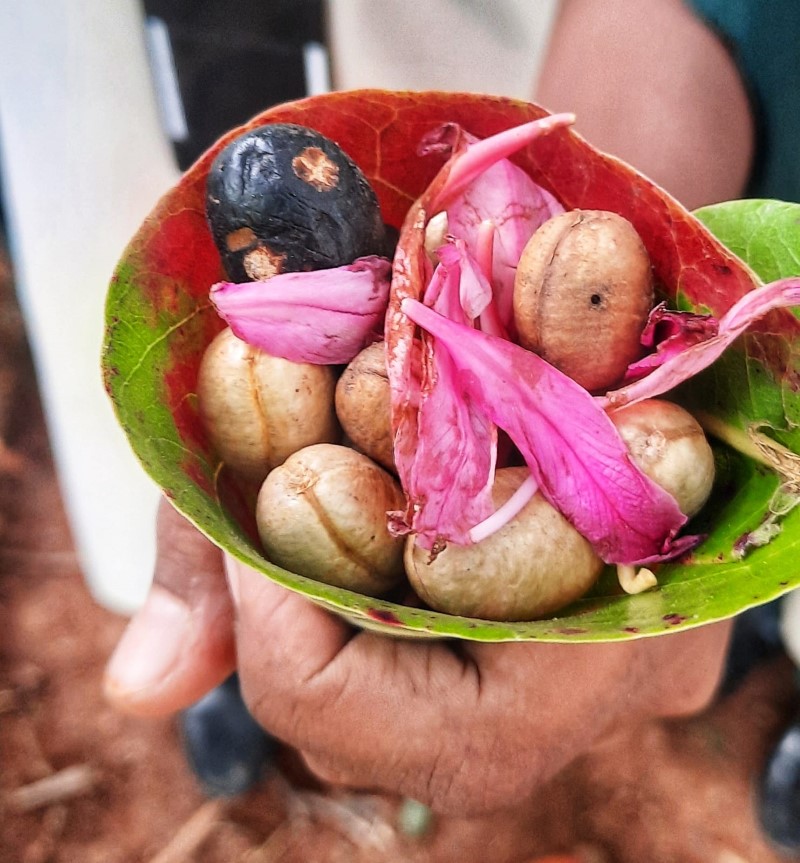
From bird nests, to nature clocks, mandal art, stone age depictions, rivers, stories of water, cooking and eating stories and even nature umbrellas. The creative potential of my children and this particular day stays very close to me as it is the day that children told me that creating art through nature was much more joyous than using manmade materials.
A week later, a few children came back to me and asked me if Nature is Art by itself. And their explanation for this was that while we create art, we’ve to put each element in it to give out the whole picture. But in Nature the whole picture already exists. I stood spell bound and elated and almost in tears listening to this.
A few weeks later, when I was sharing the images of Nature Art made by my children, the same thought popped into my head again. What did I understand through my social experiment?
After all the philosophical, logical, analytical angles in my head settled down, I realized there’s geometry, botany, life science, history, memory, creativity, listening to others, patterns, colors, stories, motor skills, naturalistic instinct, harmony in gathering and putting things together, decision making, working with hands, hand-head-heart coordination, observation, math, science and art and all of it co-working simultaneously. My social experiment could be a great team building activity. Not only would it be a fun way to introduce so many concepts to children, adults and all spectrums but also a way of connecting natural spaces. This made me feel whole again. And watching this entire process was Art to me again. Maybe Art in its Natural form? Who knows?!
-----
 Shared by Bindushree R, Teach for Nature Fellow, Bengaluru